West China Journal of Stomatology ›› 2026, Vol. 44 ›› Issue (2): 153-172.doi: 10.7518/hxkq.2026.2025418
Ye Li1( ), Cao Yubin1, Sun Guowen2, Xue Yang3, Cui Nianhui4, Cai Yu5, Zou Duohong6, Tang Haikuo7, Hu Yanjia8, Luo Ting9, Sun Lei10, Gong Zhongcheng11, Zhu Fudong12, Zhang Fugui13, You Meng14, Guo Yuxing4, Wang Yujiang15, Wang Liao1, Chen Songling16, Han Bing17, Zhang Wei2, Zhou Qing18, He Yue19, Zhao Jihong5, Hu Kaijin20, Liu Lei1, Liu Jiyuan1, Pan Jian1()
Received:2025-10-23
Online:2026-04-01
Published:2026-03-31
Contact:
Pan Jian
E-mail:yeli-scu@qq.com;jianpancn@163.com
Supported by:CLC Number:
Ye Li, Cao Yubin, Sun Guowen, Xue Yang, Cui Nianhui, Cai Yu, Zou Duohong, Tang Haikuo, Hu Yanjia, Luo Ting, Sun Lei, Gong Zhongcheng, Zhu Fudong, Zhang Fugui, You Meng, Guo Yuxing, Wang Yujiang, Wang Liao, Chen Songling, Han Bing, Zhang Wei, Zhou Qing, He Yue, Zhao Jihong, Hu Kaijin, Liu Lei, Liu Jiyuan, Pan Jian. Expert consensus on perioperative management of tooth extraction in patients receiving denosumab therapy[J]. West China Journal of Stomatology, 2026, 44(2): 153-172.
Add to citation manager EndNote|Ris|BibTeX
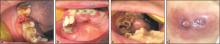
Fig 1
Clinical manifestations of MRONJ

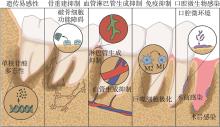
Fig 2
The etiology of MRONJ
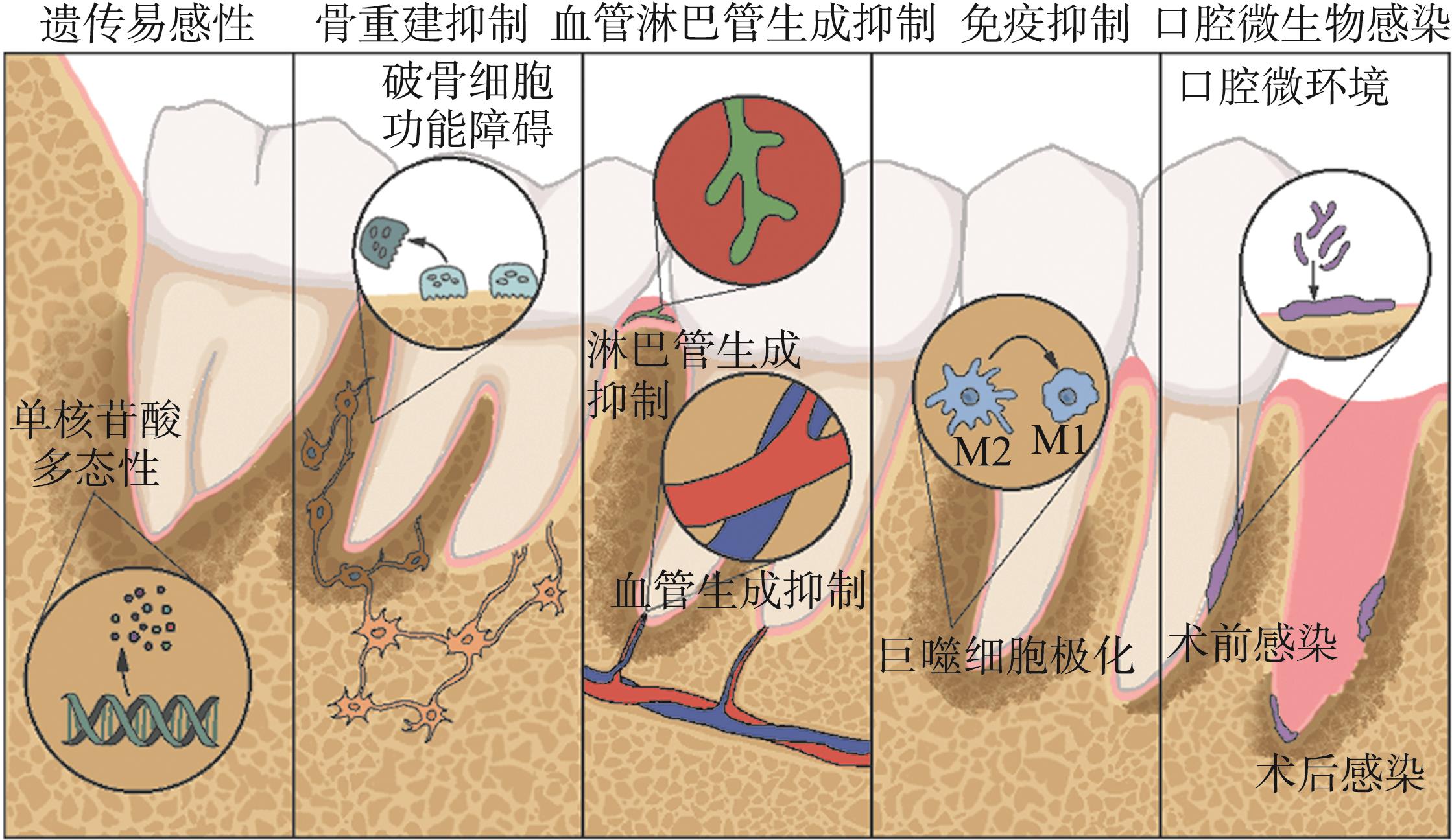
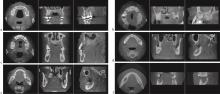
Fig 3
Imaging findings of DRONJ
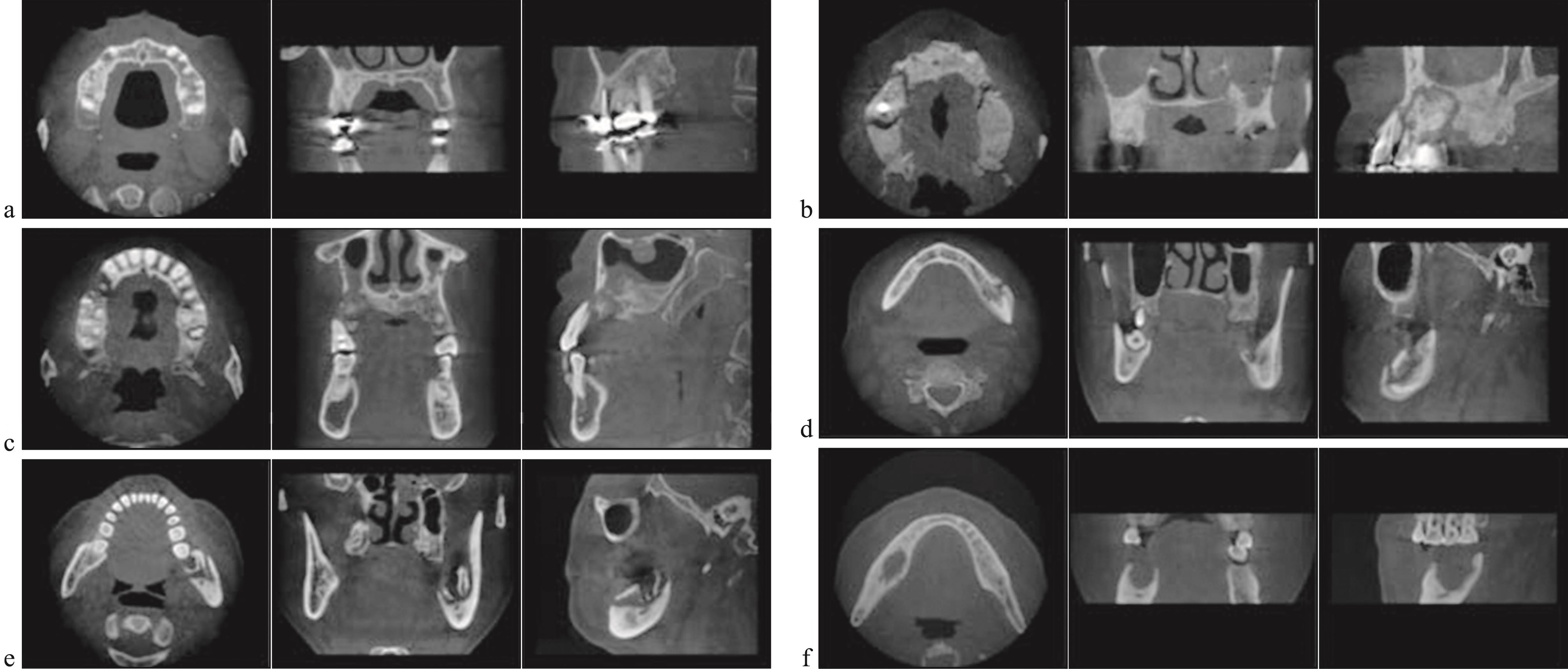
Fig 4
Decision-making flowchart for tooth extraction in patients receiving denosumab therapy
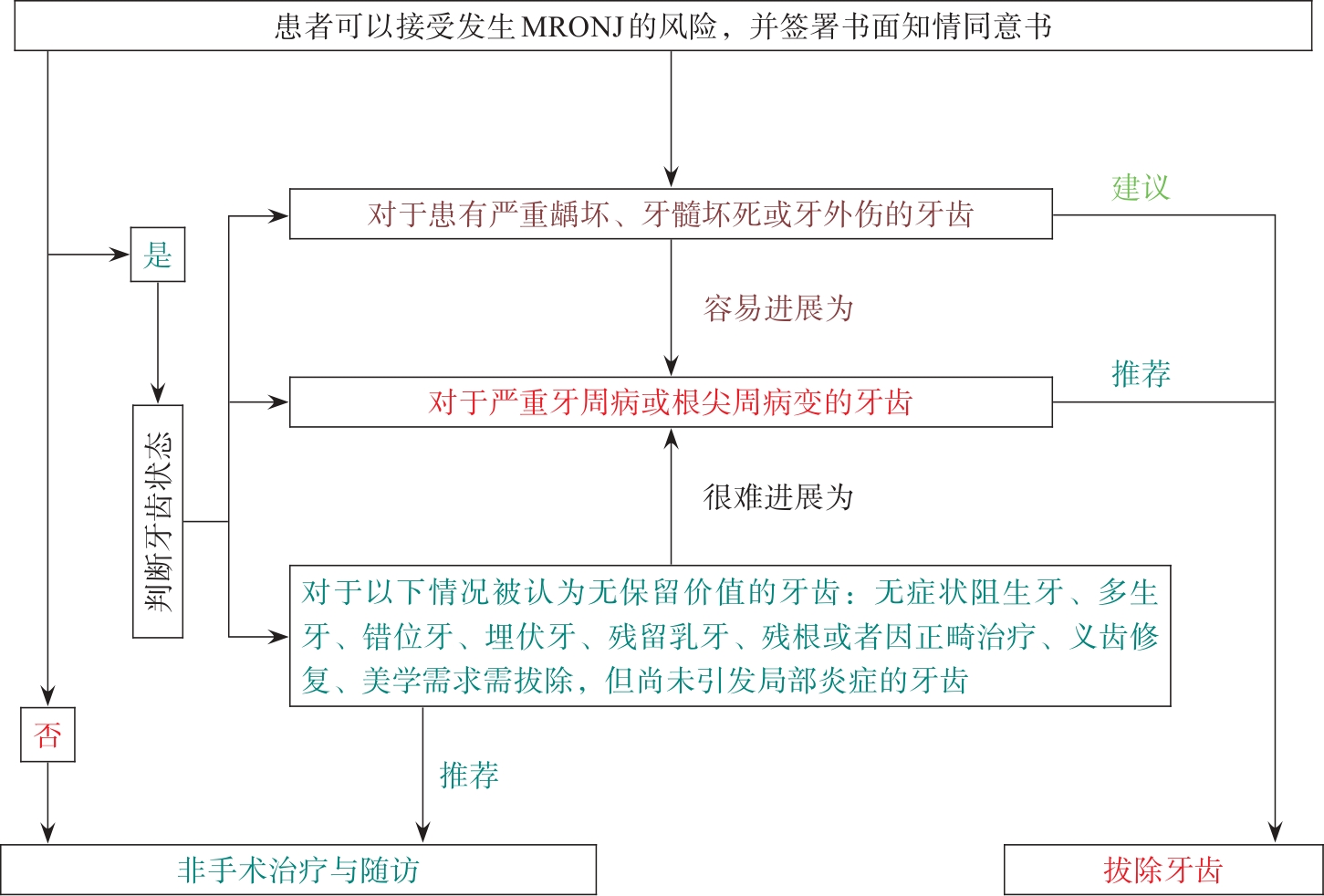

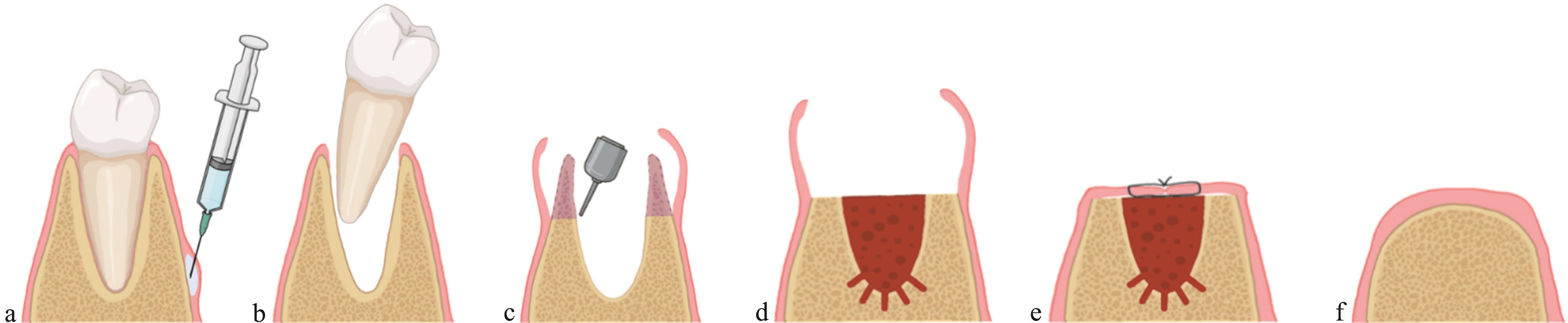
Fig 5
Recommended surgical procedures for tooth extraction in patients receiving denosumab therapy
| [1] | Kendler DL, Cosman F, Stad RK, et al. Denosumab in the treatment of osteoporosis: 10 years later: a narrative review[J]. Adv Ther, 2022, 39(1): 58-74. |
| [2] | Ferrari S, Langdahl B. Mechanisms underlying the long-term and withdrawal effects of denosumab therapy on bone[J]. Nat Rev Rheumatol, 2023, 19(5): 307-317. |
| [3] | De Leon-Oliva D, Barrena-Blázquez S, Jiménez-Álvarez L, et al. The RANK-RANKL-OPG system: a multifaceted regulator of homeostasis, immunity, and cancer[J]. Medicina (Kaunas), 2023, 59(10): 1752. |
| [4] | Udagawa N, Koide M, Nakamura M, et al. Osteoclast differentiation by RANKL and OPG signaling pathways[J]. J Bone Miner Metab, 2021, 39(1): 19-26. |
| [5] | Boyce BF. Advances in the regulation of osteoclasts and osteoclast functions[J]. J Dent Res, 2013, 92(10): 860-867. |
| [6] | Otto S, Pautke C, Van den Wyngaert T, et al. Medication-related osteonecrosis of the jaw: prevention, diagnosis and management in patients with cancer and bone metastases[J]. Cancer Treat Rev, 2018, 69: 177-187. |
| [7] | Ruggiero SL, Dodson TB, Aghaloo T, et al. American Association of Oral and Maxillofacial Surgeons’ position paper on medication-related osteonecrosis of the jaws—2022 update[J]. J Oral Maxillofac Surg, 2022, 80(5): 920-943. |
| [8] | Advisory Task Force on Bisphosphonate-Related Ostenonecrosis of the Jaws, American Association of Oral and Maxillofacial Surgeons. American Association of Oral and Maxillofacial Surgeons position paper on bis-phosphonate-related osteonecrosis of the jaws[J]. J Oral Maxillofac Surg, 2007, 65(3): 369-376. |
| [9] | Ruggiero SL, Dodson TB, Assael LA, et al. American Association of Oral and Maxillofacial Surgeons position paper on bisphosphonate-related osteonecrosis of the jaws—2009 update[J]. J Oral Maxillofac Surg, 2009, 67(5 ): 2-12. |
| [10] | Colella G, Campisi G, Fusco V. American Association of Oral and Maxillofacial Surgeons position paper: bisphosphonate-related osteonecrosis of the jaws—2009 update: the need to refine the BRONJ definition[J]. J Oral Maxillofac Surg, 2009, 67(12): 2698-2699. |
| [11] | Ruggiero SL, Dodson TB, Fantasia J, et al. American Association of Oral and Maxillofacial Surgeons position paper on medication-related osteonecrosis of the jaw-2014 update[J]. J Oral Maxillofac Surg, 2014, 72(10): 1938-1956. |
| [12] | Yarom N, Shapiro CL, Peterson DE, et al. Medication-related osteonecrosis of the jaw: MASCC/ISOO/ASCO Clinical Practice Guideline[J]. J Clin Oncol, 2019, 37(25): 2270-2290. |
| [13] | Kim KM, Rhee Y, Kwon YD, et al. Medication related osteonecrosis of the jaw: 2015 position statement of the Korean Society for Bone and Mineral Research and the Korean Association of Oral and Maxillofacial Surgeons[J]. J Bone Metab, 2015, 22(4): 151-165. |
| [14] | Kim JW, Kwak MK, Han JJ, et al. Medication related osteonecrosis of the jaw: 2021 position statement of the Korean Society for Bone and Mineral Research and the Korean Association of Oral and Maxillofacial Surgeons[J]. J Bone Metab, 2021, 28(4): 279-296. |
| [15] | Madeira M, Rocha AC, Moreira CA, et al. Prevention and treatment of oral adverse effects of antiresorptive medications for osteoporosis—A position paper of the Brazilian Society of Endocrinology and Metabolism (SBEM), Brazilian Society of Stomatology and Oral Pathology (Sobep), and Brazilian Association for Bone Evaluation and Osteometabolism (Abrasso)[J]. Arch Endocrinol Metab, 2021, 64(6): 664-672. |
| [16] | Japanese Allied Committee on Osteonecrosis of the Jaw, Yoneda T, Hagino H, et al. Antiresorptive agent-related osteonecrosis of the jaw: position paper 2017 of the Japanese Allied Committee on Osteonecrosis of the Jaw[J]. J Bone Miner Metab, 2017, 35(1): 6-19. |
| [17] | Fedele S, Porter SR, D’Aiuto F, et al. Nonexposed va-riant of bisphosphonate-associated osteonecrosis of the jaw: a case series[J]. Am J Med, 2010, 123(11): 1060-1064. |
| [18] | Bedogni A, Mauceri R, Fusco V, et al. Italian position paper (SIPMO-SICMF) on medication-related osteonecrosis of the jaw (MRONJ)[J]. Oral Dis, 2024, 30(6): 3679-3709. |
| [19] | Mallya SM, Tetradis S. Imaging of radiation- and medication-related osteonecrosis[J]. Radiol Clin North Am, 2018, 56(1): 77-89. |
| [20] | Bassan Marinho Maciel G, Marinho Maciel R, Linhares Ferrazzo K, et al. Etiopathogenesis of medication-rela-ted osteonecrosis of the jaws: a review[J]. J Mol Med (Berl), 2024, 102(3): 353-364. |
| [21] | Abtahi J, Agholme F, Sandberg O, et al. Bisphosphonate-induced osteonecrosis of the jaw in a rat model arises first after the bone has become exposed. No primary necrosis in unexposed bone[J]. J Oral Pathol Med, 2012, 41(6): 494-499. |
| [22] | He L, Sun X, Liu Z, et al. Pathogenesis and multidisciplinary management of medication-related osteonecrosis of the jaw[J]. Int J Oral Sci, 2020, 12(1): 30. |
| [23] | Lesclous P, Abi Najm S, Carrel JP, et al. Bisphosphonate-associated osteonecrosis of the jaw: a key role of inflammation[J]. Bone, 2009, 45(5): 843-852. |
| [24] | Rogers MJ, Mönkkönen J, Munoz MA. Molecular mechanisms of action of bisphosphonates and new insights into their effects outside the skeleton[J]. Bone, 2020, 139: 115493. |
| [25] | Hinson AM, Smith CW, Siegel ER, et al. Is bisphosphonate-related osteonecrosis of the jaw an infection? A histological and microbiological ten-year summary[J]. Int J Dent, 2014, 2014: 452737. |
| [26] | Marx RE, Sawatari Y, Fortin M, et al. Bisphosphonate-induced exposed bone (osteonecrosis/osteopetrosis) of the jaws: risk factors, recognition, prevention, and treatment[J]. J Oral Maxillofac Surg, 2005, 63(11): 1567-1575. |
| [27] | Hasegawa T, Hayashida S, Kondo E, et al. Medication-related osteonecrosis of the jaw after tooth extraction in cancer patients: a multicenter retrospective study[J]. Osteoporos Int, 2019, 30(1): 231-239. |
| [28] | Hasegawa T, Ueda N, Yamada SI, et al. Denosumab-related osteonecrosis of the jaw after tooth extraction and the effects of a short drug holiday in cancer patients: a multicenter retrospective study[J]. Osteoporos Int, 2021, 32(11): 2323-2333. |
| [29] | Hajeri S, Alturkistany Y. Medication-related osteonecrosis of the jaw after dental clearance: prevalence in an oncology center[J]. Saudi Dent J, 2022, 34(6): 479-484. |
| [30] | Otto S, Aljohani S, Fliefel R, et al. Infection as an important factor in medication-related osteonecrosis of the jaw (MRONJ)[J]. Medicina (Kaunas), 2021, 57(5): 463. |
| [31] | Misso G, Porru M, Stoppacciaro A, et al. Evaluation of the in vitro and in vivo antiangiogenic effects of denosumab and zoledronic acid[J]. Cancer Biol Ther, 2012, 13(14): 1491-1500. |
| [32] | Hayano H, Kuroshima S, Sasaki M, et al. Distinct immunopathology in the early stages between different antiresorptives-related osteonecrosis of the jaw-like lesions in mice[J]. Bone, 2020, 135: 115308. |
| [33] | Nasrollahi E, Davar D. Immunomodulatory effects of RANK/RANKL blockade in patients with cancer[J]. Cancer Immunol Res, 2024, 12(4): 383-384. |
| [34] | Roato I, Pavone L, Pedraza R, et al. Denosumab and zoledronic acid differently affect circulating immune subsets: a possible role in the onset of MRONJ[J]. Cells, 2023, 12(20): 2430. |
| [35] | Hoefert S, Hoefert CS, Albert M, et al. Zoledronate but not denosumab suppresses macrophagic differentiation of THP-1 cells. An aetiologic model of bisphosphonate-related osteonecrosis of the jaw (BRONJ)[J]. Clin Oral Investig, 2015, 19(6): 1307-1318. |
| [36] | Tamaki S, Kuroshima S, Hayano H, et al. Dynamic polarization shifting from M1 to M2 macrophages in reduced osteonecrosis of the jaw-like lesions by cessation of anti-RANKL antibody in mice[J]. Bone, 2020, 141: 115560. |
| [37] | Yang G, Collins JM, Rafiee R, et al. SIRT1 gene SNP rs932658 is associated with medication-related osteonecrosis of the jaw[J]. J Bone Miner Res, 2021, 36(2): 347-356. |
| [38] | Bojtor B, Vaszilko M, Armos R, et al. Analysis of SIRT1 gene SNPs and clinical characteristics in medication-related osteonecrosis of the jaw[J]. Int J Mol Sci, 2024, 25(7): 3646. |
| [39] | Yang G, Singh S, McDonough CW, et al. Genome-wide association study identified chromosome 8 locus associated with medication-related osteonecrosis of the jaw[J]. Clin Pharmacol Ther, 2021, 110(6): 1558-1569. |
| [40] | Guo Z, Cui W, Que L, et al. Pharmacogenetics of medication-related osteonecrosis of the jaw: a systematic review and meta-analysis[J]. Int J Oral Maxillofac Surg, 2020, 49(3): 298-309. |
| [41] | Szentpeteri S, Kosa J, Juhasz HD, et al. Examination of certain single-nucleotide polymorphisms of interleukins 1A and 1B in medication-related osteonecrosis of the jaw—An ambirectional cohort study[J]. J Craniomaxillofac Surg, 2024, 52(10): 1133-1139. |
| [42] | Choi SY, Kim JW, Oh SH, et al. Prediction of medication-related osteonecrosis of the jaws using machine learning methods from estrogen receptor 1 polymorphi-sms and clinical information[J]. Front Med (Lausanne), 2023, 10: 1140620. |
| [43] | Bracchi P, Zecca E, Brunelli C, et al. A real-world study on the prevalence and risk factors of medication related osteonecrosis of the jaw in cancer patients with bone metastases treated with Denosumab[J]. Cancer Med, 2023, 12(17): 18317-18326. |
| [44] | Ikesue H, Mouri M, Tomita H, et al. Associated characteristics and treatment outcomes of medication-related osteonecrosis of the jaw in patients receiving denosu-mab or zoledronic acid for bone metastases[J]. Support Care Cancer, 2021, 29(8): 4763-4772. |
| [45] | Ikesue H, Doi K, Morimoto M, et al. Risk evaluation of denosumab and zoledronic acid for medication-related osteonecrosis of the jaw in patients with bone metastases: a propensity score-matched analysis[J]. Support Care Cancer, 2022, 30(3): 2341-2348. |
| [46] | Fu PA, Shen CY, Yang SR, et al. Long-term use of denosumab and its association with skeletal-related events and osteonecrosis of the jaw[J]. Sci Rep, 2023, 13(1): 8403. |
| [47] | Egloff-Juras C, Gallois A, Salleron J, et al. Denosumab-related osteonecrosis of the jaw: a retrospective study[J]. J Oral Pathol Med, 2018, 47(1): 66-70. |
| [48] | Ehrenstein V, Heide-Jørgensen U, Schiødt M, et al. Osteonecrosis of the jaw among patients with cancer trea-ted with denosumab or zoledronic acid: results of a regulator-mandated cohort postauthorization safety study in Denmark, Norway, and Sweden[J]. Cancer, 2021, 127(21): 4050-4058. |
| [49] | Bone HG, Wagman RB, Brandi ML, et al. 10 years of denosumab treatment in postmenopausal women wi-th osteoporosis: results from the phase 3 randomised FREEDOM trial and open-label extension[J]. Lancet Diabetes Endocrinol, 2017, 5(7): 513-523. |
| [50] | Watts NB, Grbic JT, Binkley N, et al. Invasive oral procedures and events in postmenopausal women with osteoporosis treated with denosumab for up to 10 years[J]. J Clin Endocrinol Metab, 2019, 104(6): 2443-2452. |
| [51] | Everts-Graber J, Lehmann D, Burkard JP, et al. Risk of osteonecrosis of the jaw under denosumab compared to bisphosphonates in patients with osteoporosis[J]. J Bone Miner Res, 2022, 37(2): 340-348. |
| [52] | Liu FC, Luk KC, Chen YC. Risk comparison of osteonecrosis of the jaw in osteoporotic patients treated with bisphosphonates vs. denosumab: a multi-institutional re-trospective cohort study in Taiwan[J]. Osteoporos Int, 2023, 34(10): 1729-1737. |
| [53] | Srivastava A, Nogueras Gonzalez GM, Geng Y, et al. Prevalence of medication related osteonecrosis of the jaw in patients treated with sequential antiresorptive drugs: systematic review and meta-analysis[J]. Support Care Cancer, 2021, 29(5): 2305-2317. |
| [54] | Marcianò A, Ingrasciotta Y, Isgrò V, et al. Cancer patients at risk for medication-related osteonecrosis of the jaw. A case and control study analyzing predictors of MRONJ onset[J]. J Clin Med, 2021, 10(20): 4762. |
| [55] | Wick A, Bankosegger P, Otto S, et al. Risk factors associated with onset of medication-related osteonecrosis of the jaw in patients treated with denosumab[J]. Clin Oral Investig, 2022, 26(3): 2839-2852. |
| [56] | Qi WX, Tang LN, He AN, et al. Risk of osteonecrosis of the jaw in cancer patients receiving denosumab: a meta-analysis of seven randomized controlled trials[J]. Int J Clin Oncol, 2014, 19(2): 403-410. |
| [57] | Nashi M, Kishimoto H, Kobayashi M, et al. Incidence of antiresorptive agent-related osteonecrosis of the jaw: a multicenter retrospective epidemiological study in Hyogo Prefecture, Japan[J]. J Dent Sci, 2023, 18(3): 1156-1163. |
| [58] | Limones A, Sáez-Alcaide LM, Díaz-Parreño SA, et al. Medication-related osteonecrosis of the jaws (MRONJ) in cancer patients treated with denosumab VS. zoledronic acid: a systematic review and meta-analysis[J]. Med Oral Patol Oral Cir Bucal, 2020, 25(3): e326-e336. |
| [59] | Jiang L, Cui X, Ma H, et al. Comparison of denosumab and zoledronic acid for the treatment of solid tumors and multiple myeloma with bone metastasis: a systematic review and meta-analysis based on randomized controlled trials[J]. J Orthop Surg Res, 2021, 16(1): 400. |
| [60] | Higuchi T, Soga Y, Muro M, et al. Replacing zoledronic acid with denosumab is a risk factor for developing osteonecrosis of the jaw[J]. Oral Surg Oral Med Oral Pa-thol Oral Radiol, 2018, 125(6): 547-551. |
| [61] | Hasegawa S, Ikesue H, Satake R, et al. Osteonecrosis of the jaw caused by Denosumab in treatment-Naïve and pre-treatment with Zoledronic Acid groups: a time-to-onset study using the Japanese Adverse Drug Event Report (JADER) Database[J]. Drugs Real World Outcomes, 2022, 9(4): 659-665. |
| [62] | Ikesue H, Doi K, Morimoto M, et al. Switching from zo-ledronic acid to denosumab increases the risk for develo-ping medication-related osteonecrosis of the jaw in patients with bone metastases[J]. Cancer Chemother Pharmacol, 2021, 87(6): 871-877. |
| [63] | Voss PJ, Steybe D, Poxleitner P, et al. Osteonecrosis of the jaw in patients transitioning from bisphosphonates to denosumab treatment for osteoporosis[J]. Odontology, 2018, 106(4): 469-480. |
| [64] | Yarom N, Lazarovici TS, Whitefield S, et al. Rapid onset of osteonecrosis of the jaw in patients switching from bisphosphonates to denosumab[J]. Oral Surg Oral Med Oral Pathol Oral Radiol, 2018, 125(1): 27-30. |
| [65] | Park KS, Jung SM, Park YJ, et al. Denosumab-related osteonecrosis of the jaw may not be a subject of teriparatide treatment[J]. J Bone Miner Res, 2022, 37(10): 2044-2045. |
| [66] | Zandi M, Dehghan A, Mohammadi-Mofrad A, et al. Short-term perioperative teriparatide therapy for the prevention of medication-related osteonecrosis of the jaw: a randomized, controlled preclinical study in rats[J]. J Craniomaxillofac Surg, 2017, 45(2): 275-280. |
| [67] | Park KM, Lee N, Kim J, et al. Preventive effect of teri-paratide on medication-related osteonecrosis of the jaw in rats[J]. Sci Rep, 2023, 13(1): 15518. |
| [68] | Leder BZ, Tsai JN, Uihlein AV, et al. Denosumab and teriparatide transitions in postmenopausal osteoporosis (the DATA-Switch study): extension of a randomised controlled trial[J]. Lancet, 2015, 386(9999): 1147-1155. |
| [69] | Weinstein RS. Glucocorticoid-induced osteonecrosis[J]. Endocrine, 2012, 41(2): 183-190. |
| [70] | Ahdi HS, Wichelmann TA, Pandravada S, et al. Medication-induced osteonecrosis of the jaw: a review of cases from the Food and Drug Administration Adverse Event Reporting System (FAERS)[J]. BMC Pharmacol Toxicol, 2023, 24(1): 15. |
| [71] | Zhang X, Hamadeh IS, Song S, et al. Osteonecrosis of the jaw in the United States Food and Drug Administration’s Adverse Event Reporting System (FAERS)[J]. J Bone Miner Res, 2016, 31(2): 336-340. |
| [72] | Okamura M, Fujita K, Yamamoto Y, et al. Single-center analysis of antiresorptive agent-related osteonecrosis of the jaw in lung cancer patients[J]. Asia Pac J Clin Oncol, 2020, 16(6): 380-384. |
| [73] | Hallmer F, Bjarnadottir O, Götrick B, et al. Incidence of and risk factors for medication-related osteonecrosis of the jaw in women with breast cancer with bone metastasis: a population-based study[J]. Oral Surg Oral Med Oral Pathol Oral Radiol, 2020, 130(3): 252-257. |
| [74] | Sacco R, Woolley J, Patel G, et al. Systematic review of medication related osteonecrosis of the jaw (MRONJ) in patients undergoing only antiangiogenic drug therapy: surgery or conservative therapy[J]. Br J Oral Maxillofac Surg, 2022, 60(2): e216-e230. |
| [75] | van Cann T, Loyson T, Verbiest A, et al. Incidence of medication-related osteonecrosis of the jaw in patients treated with both bone resorption inhibitors and vascular endothelial growth factor receptor tyrosine kinase inhibitors[J]. Support Care Cancer, 2018, 26(3): 869-878. |
| [76] | Fusco V, Santini D, Armento G, et al. Osteonecrosis of jaw beyond antiresorptive (bone-targeted) agents: new horizons in oncology[J]. Expert Opin Drug Saf, 2016, 15(7): 925-935. |
| [77] | Okuma S, Matsuda Y, Nariai Y, et al. A retrospective observational study of risk factors for denosumab-related osteonecrosis of the jaw in patients with bone metasta-ses from solid cancers[J]. Cancers (Basel), 2020, 12(5): 1209. |
| [78] | Nakagawa T, Tsuka S, Aonuma F, et al. Effects of metformin on the prevention of bisphosphonate-related osteonecrosis of the jaw-like lesions in rats[J]. J Prosthodont Res, 2021, 65(2): 219-224. |
| [79] | Adachi N, Ayukawa Y, Yasunami N, et al. Preventive effect of fluvastatin on the development of medication-related osteonecrosis of the jaw[J]. Sci Rep, 2020, 10(1): 5620. |
| [80] | Jung J, Shim GJ, Kim M, et al. Effect and timing of parathyroid hormone analog administration for preventing medication-related osteonecrosis of the jaws in a murine model[J]. J Craniomaxillofac Surg, 2021, 49(8): 719-725. |
| [81] | Hallmer F, Andersson G, Götrick B, et al. Prevalence, initiating factor, and treatment outcome of medication-related osteonecrosis of the jaw-a 4-year prospective study[J]. Oral Surg Oral Med Oral Pathol Oral Radiol, 2018, 126(6): 477-485. |
| [82] | Gaêta-Araujo H, Ferreira Leite A, de Faria Vasconcelos K, et al. Why do some extraction sites develop medication-related osteonecrosis of the jaw and others do not? A within-patient study assessing radiographic predictors[J]. Int J Oral Implantol (Berl), 2021, 14(1): 87-98. |
| [83] | Soutome S, Hayashida S, Funahara M, et al. Factors affecting development of medication-related osteonecrosis of the jaw in cancer patients receiving high-dose bispho-sphonate or denosumab therapy: is tooth extraction a risk factor[J]. PLoS One, 2018, 13(7): e0201343. |
| [84] | Akashi M, Wanifuchi S, Iwata E, et al. Differences between osteoradionecrosis and medication-related osteonecrosis of the jaw[J]. Oral Maxillofac Surg, 2018, 22(1): 59-63. |
| [85] | Innes-Taylor D, Adams V. Medication-related osteonecrosis of the jaw in a paediatric patient taking denosumab: a case report[J]. Br Dent J, 2024, 236(6): 453-456. |
| [86] | 曹钰彬, 叶立, 潘剑. 拔牙后的感染与防治[J]. 华西口腔医学杂志, 2024, 42(4): 426-434. |
| Cao YB, Ye L, Pan J. Postextraction infections, prevention, and treatment[J]. West China J Stomatol, 2024, 42(4): 426-434. | |
| [87] | Al-Omari FA, Kuroshima S, Sawase T. Medication-rela-ted osteonecrosis of the jaw induced by regenerative therapy in implant dentistry: a scoping review[J]. J Dent, 2023, 138: 104682. |
| [88] | Pichardo SEC, van der Hee JG, Fiocco M, et al. Dental implants as risk factors for patients with medication-related osteonecrosis of the jaws (MRONJ)[J]. Br J Oral Maxillofac Surg, 2020, 58(7): 771-776. |
| [89] | Aminoshariae A, Donaldson M, Horan M, et al. Emerging antiresorptive medications and their potential implications for dental surgeries[J]. J Am Dent Assoc, 2022, 153(7): 649-658. |
| [90] | Guzik TJ, Touyz RM. Oxidative stress, inflammation, and vascular aging in hypertension[J]. Hypertension, 2017, 70(4): 660-667. |
| [91] | Singh DK, Winocour P, Farrington K. Erythropoietic stress and anemia in diabetes mellitus[J]. Nat Rev Endocrinol, 2009, 5(4): 204-210. |
| [92] | Beckman JA, Paneni F, Cosentino F, et al. Diabetes and vascular disease: pathophysiology, clinical consequen-ces, and medical therapy: part Ⅱ[J]. Eur Heart J, 2013, 34(31): 2444-2452. |
| [93] | Genco RJ, Borgnakke WS. Diabetes as a potential risk for periodontitis: association studies[J]. Periodontol 2000, 2020, 83(1): 40-45. |
| [94] | Napoli N, Chandran M, Pierroz DD, et al. Mechanisms of diabetes mellitus-induced bone fragility[J]. Nat Rev Endocrinol, 2017, 13(4): 208-219. |
| [95] | Hamann C, Kirschner S, Günther KP, et al. Bone, sweet bone-osteoporotic fractures in diabetes mellitus[J]. Nat Rev Endocrinol, 2012, 8(5): 297-305. |
| [96] | Ali J, Pramod K, Tahir MA, et al. Autoimmune responses in periodontal diseases[J]. Autoimmun Rev, 2011, 10(7): 426-431. |
| [97] | Hata H, Imamachi K, Ueda M, et al. Prognosis by cancer type and incidence of zoledronic acid-related osteonecrosis of the jaw: a single-center retrospective study[J]. Support Care Cancer, 2022, 30(5): 4505-4514. |
| [98] | Nassani MZ, Tarakji B, Alqahtani AM, et al. Awareness and practice of dentists in gulf cooperation council countries regarding medication-related osteonecrosis of the jaw—A web-based survey[J]. J Dent Sci, 2023, 18(4): 1677-1684. |
| [99] | Aljohani S. Awareness, perceptions and attitudes toward medication-related osteonecrosis of the jaw among physicians who treat osteoporosis[J]. Saudi Pharm J, 2023, 31(9): 101707. |
| [100] | Arnaud MP, Talibi S, Lejeune-Cairon S. Knowledge and attitudes of French dentists on bone resorption inhibitors (bisphosphonates and denosumab): a cross-sectional stu-dy[J]. J Stomatol Oral Maxillofac Surg, 2022, 123(2): 163-170. |
| [101] | Al Abdullateef A, Alhareky MS. Awareness among patient at risk of developing Medication Related Osteonecrosis of the Jaw (MRONJ)—A primary prevention strategy[J]. Saudi Pharm J, 2020, 28(6): 771-778. |
| [102] | Obermeier KT, Dewenter I, Malenova Y, et al. Sclerotic bone: a sign of bone reaction in patients with medication related osteonecrosis of the jaw[J]. Sci Rep, 2024, 14(1): 7914. |
| [103] | Kim JE, Yoo S, Choi SC. Several issues regarding the diagnostic imaging of medication-related osteonecrosis of the jaw[J]. Imaging Sci Dent, 2020, 50(4): 273-279. |
| [104] | Guo Y, Wang D, Wang Y, et al. Imaging features of medicine-related osteonecrosis of the jaws: comparison between panoramic radiography and computed tomography[J]. Oral Surg Oral Med Oral Pathol Oral Radiol, 2016, 122(2): e69-e76. |
| [105] | Wongratwanich P, Shimabukuro K, Konishi M, et al. Do various imaging modalities provide potential early detection and diagnosis of medication-related osteonecrosis of the jaw? A review[J]. Dentomaxillofac Radiol, 2021, 50(6): 20200417. |
| [106] | Baba A, Goto TK, Ojiri H, et al. CT imaging features of antiresorptive agent-related osteonecrosis of the jaw/medication-related osteonecrosis of the jaw[J]. Dentomaxillofac Radiol, 2018, 47(4): 20170323. |
| [107] | Moreno-Rabié C, Gaêta-Araujo H, Ferreira-Leite A, et al. Local radiographic risk factors for MRONJ in osteoporotic patients undergoing tooth extraction[J]. Oral Dis, 2024, 30(3): 1632-1642. |
| [108] | Moreno Rabie C, Cavalcante Fontenele R, Oliveira Santos N, et al. Three-dimensional clinical assessment for MRONJ risk in oncologic patients following tooth extractions[J]. Dentomaxillofac Radiol, 2023, 52(8): 20230238. |
| [109] | Sakamoto Y, Sawada S, Kojima Y. Medication-related osteonecrosis of the jaw without osteolysis on computed tomography: a retrospective and observational study[J]. Sci Rep, 2023, 13(1): 12890. |
| [110] | Pichardo SEC, Broek FWT, Fiocco M, et al. A comparison of the cone beam computed tomography findings in medication-related osteonecrosis of the jaws related to denosumab versus bisphosphonates: an observational pilot study[J]. Oral Surg Oral Med Oral Pathol Oral Radiol, 2020, 129(4): 411-417. |
| [111] | Miyoshi T, Otsuru M, Morishita K, et al. Differences between medication-related osteonecrosis of the jaw cau-sed by Bisphosphonates and Denosumab: histological, molecular biological, and clinical studies[J]. Cureus, 2024, 16(6): e62855. |
| [112] | Moreno-Rabié C, Fontenele RC, Oliveira-Santos N, et al. Key insights into antiresorptive drug use and osteonecrosis in osteoporotic patients undergoing tooth extractions: a clinical and CBCT assessment[J]. Osteoporos Int, 2024, 35(8): 1431-1440. |
| [113] | Querrer R, Ferrare N, Melo N, et al. Differences between bisphosphonate-related and denosumab-related osteonecrosis of the jaws: a systematic review[J]. Support Care Cancer, 2021, 29(6): 2811-2820. |
| [114] | Peisker A, Raschke GF, Fahmy MD, et al. Cross-sectio-nal study of four serological bone turnover markers for the risk assessment of medication-related osteonecrosis of the jaw[J]. J Craniofac Surg, 2018, 29(2): e137-e140. |
| [115] | Kajizono M, Sada H, Sugiura Y, et al. Incidence and risk factors of osteonecrosis of the jaw in advanced cancer patients after treatment with zoledronic acid or denosu-mab: a retrospective cohort study[J]. Biol Pharm Bull, 2015, 38(12): 1850-1855. |
| [116] | Jung S, Kim J, Park JH, et al. A 5-year retrospective cohort study of denosumab induced medication related osteonecrosis of the jaw in osteoporosis patients[J]. Sci Rep, 2022, 12(1): 8641. |
| [117] | Mauceri R, Coniglio R, Abbinante A, et al. The preventive care of medication-related osteonecrosis of the jaw (MRONJ): a position paper by Italian experts for dental hygienists[J]. Support Care Cancer, 2022, 30(8): 6429-6440. |
| [118] | Pippi R, Giuliani U, Tenore G, et al. What is the risk of developing medication-related osteonecrosis in patients with extraction sockets left to heal by secondary intention? A retrospective case series study[J]. J Oral Maxillofac Surg, 2021, 79(10): 2071-2077. |
| [119] | Porubská M, Němcová A. Persistence of denosumab in Slovak patients with bone metastases—A prospective observational study[J]. Klin Onkol, 2023, 36(1): 54-64. |
| [120] | Hadaya D, Soundia A, Gkouveris I, et al. Antiresorptive-type and discontinuation-Timing affect ONJ burden[J]. J Dent Res, 2021, 100(7): 746-753. |
| [121] | Ottesen C, Schiodt M, Jensen SS, et al. Tooth extractions in patients with cancer receiving high-dose antiresorptive medication: a randomized clinical feasibility trial of drug holiday versus drug continuation[J]. Oral Surg Oral Med Oral Pathol Oral Radiol, 2022, 133(2): 165-173. |
| [122] | Ottesen C, Schiodt M, Gotfredsen K. Efficacy of a high-dose antiresorptive drug holiday to reduce the risk of medication-related osteonecrosis of the jaw (MRONJ): a systematic review[J]. Heliyon, 2020, 6(4): e03795. |
| [123] | Gibiansky L, Sutjandra L, Doshi S, et al. Population pharmacokinetic analysis of denosumab in patients with bone metastases from solid tumours[J]. Clin Pharmacokinet, 2012, 51(4): 247-260. |
| [124] | Sohn W, Simiens MA, Jaeger K, et al. The pharmacokinetics and pharmacodynamics of denosumab in patients with advanced solid tumours and bone metastases: a systematic review[J]. Br J Clin Pharmacol, 2014, 78(3): 477-487. |
| [125] | Body JJ, Greipp P, Coleman RE, et al. A phase Ⅰ study of AMGN-0007, a recombinant osteoprotegerin construct, in patients with multiple myeloma or breast carcinoma related bone metastases[J]. Cancer, 2003, 97(3 ): 887-892. |
| [126] | Sawada S, Sakamoto Y, Kirihigashi M, et al. Drug holiday of high-dose denosumab and recovery from osteoclast inhibition using immunohistochemical investigation of 7 patients with medication-related osteonecrosis of the jaw undergoing segmental mandibulectomy[J]. J Dent Sci, 2023, 18(4): 1645-1650. |
| [127] | Anagnostis P, Paschou SA, Mintziori G, et al. Drug holidays from bisphosphonates and denosumab in postmenopausal osteoporosis: EMAS position statement[J]. Maturitas, 2017, 101: 23-30. |
| [128] | Beth-Tasdogan NH, Mayer B, Hussein H, et al. Interventions for managing medication-related osteonecrosis of the jaw[J]. Cochrane Database Syst Rev, 2022, 7(7): Cd012432. |
| [129] | 郭玉兴, 王佃灿, 刘筱菁, 等. 翻瓣联合骨管技术拔牙方案在药物相关性颌骨坏死潜在风险患者中的应用初探[J]. 中华口腔医学杂志, 2021, 56(5): 452-457. |
| Guo YX, Wang DC, Liu XJ, et al. Evaluation of the preliminary clinical effect of flap-raising combined with cortical-perforation technique in tooth extraction cases of patients with potential risk of medication-related osteonecrosis of the jaw[J]. Chin J Stomatol, 2021, 56(5): 452-457. | |
| [130] | Silva ML, Tasso L, Azambuja AA, et al. Effect of hyperbaric oxygen therapy on tooth extraction sites in rats subjected to bisphosphonate therapy-histomorphometric and immunohistochemical analysis[J]. Clin Oral Investig, 2017, 21(1): 199-210. |
| [131] | Ervolino E, Olivo MB, Toro LF, et al. Effectiveness of antimicrobial photodynamic therapy mediated by butyl toluidine blue in preventing medication-related osteonecrosis of the jaws in rats[J]. Photodiagnosis Photodyn Ther, 2022, 40: 103172. |
| [132] | Matsuura Y, Atsuta I, Ayukawa Y, et al. Therapeutic interactions between mesenchymal stem cells for healing medication-related osteonecrosis of the jaw[J]. Stem Cell Res Ther, 2016, 7(1): 119. |
| [133] | Monteiro CGJ, Vieira EM, Emerick C, et al. Ozonated oil effect for prevention of medication-related osteonecrosis of the jaw (MRONJ) in rats undergoing zoledro-nic acid therapy[J]. Clin Oral Investig, 2021, 25(12): 6653-6659. |
| [134] | Aljohani S, Gaudin R, Weiser J, et al. Osteonecrosis of the jaw in patients treated with denosumab: a multicenter case series[J]. J Craniomaxillofac Surg, 2018, 46(9): 1515-1525. |
| [135] | Pichardo SE, van Merkesteyn JP. Evaluation of a surgical treatment of denosumab-related osteonecrosis of the jaws[J]. Oral Surg Oral Med Oral Pathol Oral Radiol, 2016, 122(3): 272-278. |
| [136] | Huang H, Qiao Q, Zhao N, et al. Efficacy of submental island flap closing advanced mandibular MRONJ le-sion in malignancy patients[J]. Head Neck, 2024, 46(9): 2315-2326. |
| [137] | Hoefert S, Yuan A, Munz A, et al. Clinical course and therapeutic outcomes of operatively and non-operatively managed patients with denosumab-related osteonecrosis of the jaw (DRONJ)[J]. J Craniomaxillofac Surg, 2017, 45(4): 570-578. |
| [138] | Wei LY, Kok SH, Lee YC, et al. Prognosis of medication-related osteonecrosis of the jaws in metastatic prostate cancer patients[J]. Oral Dis, 2022, 28(1): 182-192. |
| [139] | Kanno C, Kaneko T, Endo M, et al. Anti-VEGFR therapy is one of the healing inhibitors of antiresorptive-rela-ted osteonecrosis of the jaw[J]. J Bone Miner Metab, 2021, 39(3): 423-429. |
| [140] | Gadgaard NR, Olesen TB, Svane HML, et al. Osteonecrosis of the jaw among cancer patients in Denmark: risk and prognosis[J]. Int J Oral Maxillofac Surg, 2022, 51(11): 1424-1430. |
| [141] | Ohga N, Yamazaki Y, Tsuboi K, et al. Healing of osteonecrosis of the jaw (ONJ) after discontinuation of denosumab in a patient with bone metastases of colorectal cancer: a case report and hypothesis[J]. Quintessence Int, 2015, 46(7): 621-626. |
| [142] | Ohga N, Sato J, Asaka T, et al. Successful conservative treatment of jaw osteonecrosis caused by denosumab in patients with multiple bone metastasis[J]. J Oral Sci, 2018, 60(1): 159-162. |
| [1] | Lai Wenli. Discussion on the application of clear aligner treatment in multidisciplinary complex cases [J]. West China Journal of Stomatology, 2026, 44(1): 9-16. |
| [2] | Chen Lan, Zhu Xuanzhi, Zhou Jieyu, Li Jiyao, Zhao Lei. Correlation analysis of cell-free DNA in gingival crevicular fluid with periodontal clinical indicators and cyclic guanosine phosphate-adenosine phosphate synthase-stimulator of interferon genes signaling pathway [J]. West China Journal of Stomatology, 2025, 43(6): 808-818. |
| [3] | Zhang Yanbiao, Wei Meirong, Zhao Xuejuan, Qi Xiaolei, Zuo Shanshan, Mao Shumei, Wang Jun, Ding Gang. Mediation analysis of plasma phosphorylated tau217 in the association between periodontitis and mild cognitive impairment [J]. West China Journal of Stomatology, 2025, 43(6): 845-859. |
| [4] | Lü Chunxu, Ge Shaohua. Applications and perspectives of artificial intelligence in periodontology [J]. West China Journal of Stomatology, 2025, 43(5): 620-627. |
| [5] | Guo Mengru, Zhang Tianyi, Huang Jingwen, Huang Xinyue, Zheng Yi, Zhang Li. Mechanism of Eclipta prostrata L-Ligustrum lucidum Ait in the treatment of periodontitis [J]. West China Journal of Stomatology, 2025, 43(5): 696-710. |
| [6] | Li Hua, Zhang Kang, Qu Huijuan, Ji Honghai, Sun Minmin. Effect of ginsenoside Rb3 on experimental periodontitis in rats [J]. West China Journal of Stomatology, 2025, 43(5): 711-721. |
| [7] | Li Ying, Feng Xiaoyu, Jia Ruizhi, Wang Yong, Shang Jiajian. Treatment strategies for immature permanent teeth under general anesthesia [J]. West China Journal of Stomatology, 2025, 43(4): 462-468. |
| [8] | Zhang Xueying, Meng Xin, Liu Zhizhen, Zhang Kang, Ji Honghai, Sun Minmin. Ginsenoside Rb3 regulates the phosphorrylated extracellular signal-regulated kinase signaling pathway to alleviate inflammatory responses and promote osteogenesis in rats with periodontitis [J]. West China Journal of Stomatology, 2025, 43(2): 236-248. |
| [9] | Feng Miaomiao, Xu Xiaoran, Li Ningli, Yang Mingzhen, Zhai Yuankun. Mechanism of Cnidii Fructus in the treatment of periodontitis with osteoporosis based on network pharmacology, molecular docking, and molecular dynamics simulation [J]. West China Journal of Stomatology, 2025, 43(2): 249-261. |
| [10] | Fu Lanqing, Hao Xinyu, Qian Wenbo, Sun Ying. Effects of initial periodontal therapy on the formation of neutrophil extracellular traps in gingival crevicular fluid in patients with severe periodontitis [J]. West China Journal of Stomatology, 2025, 43(1): 46-52. |
| [11] | Chen Yuxiang, Zhao Anna, Yang Haoran, Yang Xia, Cheng Tingting, Rao Xianqi, Li Ziliang. Role of fatty acid metabolism-related genes in periodontitis based on machine learning and bioinformatics analysis [J]. West China Journal of Stomatology, 2024, 42(6): 735-747. |
| [12] | Shi Yuan, Su Jimei, Lü Lihua, Wu Dingwen. A case of hypophosphatemia rickets with unidentified apical periodontitis as the initial symptom of diagnosis [J]. West China Journal of Stomatology, 2024, 42(6): 832-838. |
| [13] | Zhou Lulu, Teng Nian, Gao Tiantian, Wang Hongbin, Gao Xiang. Protective effect of carvacrol hydrogel on the alveolar bone in rats with periodontitis [J]. West China Journal of Stomatology, 2024, 42(5): 593-608. |
| [14] | Gao Na, Tian Mei, Sun Yawei, Wang Danni, Sun Guowen. Application of bone perforation in the surgery of medication-related osteonecrosis of the jaw in stage Ⅱ [J]. West China Journal of Stomatology, 2024, 42(5): 629-635. |
| [15] | Cao Yubin, Ye Li, Pan Jian. Postextraction infections, prevention, and treatment [J]. West China Journal of Stomatology, 2024, 42(4): 426-434. |
| Viewed | ||||||
|
Full text |
|
|||||
|
Abstract |
|
|||||
 This work is licensed under a Creative Commons Attribution 3.0 License.