| [1] |
赖文莉. 口腔正畸隐适美隐形矫治技术[M]. 北京: 人民卫生出版社, 2023.
|
|
Lai WL. Invisalign clear aligner technique[M]. Beijing: People’s Medical Publishing House, 2023.
|
| [2] |
Proffit WR, Fields HW, Sarver DM. Contemporary orthodontics[M]. 7th ed. Amsterdam: Elsevier, 2025.
|
| [3] |
Zhong W, Zhou C, Yin Y, et al. Expert consensus on or-thodontic treatment of patients with periodontal disease[J]. Int J Oral Sci, 2025, 17(1): 27.
|
| [4] |
Rouzi M, Jiang Q, Zhang H, et al. Characteristics of oral microbiota and oral health in the patients treated with clear aligners: a prospective study[J]. Clin Oral Investig, 2023, 27(11): 6725-6734.
|
| [5] |
李江, 黄诗言, 李鑫, 等. 无托槽隐形矫治与固定矫治对患者口腔健康状况的影响[J]. 北京口腔医学, 2021, 29(3): 190-193.
|
|
Li J, Huang SY, Li X, et al. The effect of invisible alig-ner system and fixed orthodontic treatment on patients’ oral health[J]. Beijing J Stomatol, 2021, 29(3): 190-193.
|
| [6] |
李敬谦, 朱子璐, 焦剑, 等. 隐形矫治重度牙周炎患者前牙区病理性移位患牙的临床疗效[J]. 北京大学学报(医学版), 2025, 57(1): 51-56.
|
|
Li JQ, Zhu ZL, Jiao J, et al. Clinical efficacy of clear aligner treatment for pathologically migrated teeth in the anterior region of patients with severe periodontitis[J]. J Peking Univ (Health Sci), 2025, 57(1): 51-56.
|
| [7] |
冯旭, 张祎, 李梦红, 等. 无托槽隐形矫治对牙周健康影响的研究进展[J]. 国际口腔医学杂志, 2019, 46(2): 166-170.
|
|
Feng X, Zhang Y, Li MH, et al. Research progress on the influence of removable clear aligners on periodontal health[J]. Int J Stomatol, 2019, 46(2): 166-170.
|
| [8] |
Wong H, Huang Y, Yang P. Invisible appliance promotes bone reconstruction via modulating the periodontal immune microenvironment[J]. Eur J Med Res, 2025, 30(1): 378.
|
| [9] |
Lucchese A, Marcolina M, Mancini N, et al. A comparison of the alterations of oral microbiome with fixed or-thodontic therapy and clear aligners: a systematic review[J]. J Oral Microbiol, 2025, 17(1): 2372751.
|
| [10] |
Rouzi M, Zhang XQ, Jiang QS, et al. Impact of clear aligners on oral health and oral microbiome during orthodontic treatment[J]. Int Dent J, 2023, 73(5): 603-611.
|
| [11] |
Wang Y, Long H, Zhao Z, et al. Expert consensus on the clinical strategies for orthodontic treatment with clear aligners[J]. Int J Oral Sci, 2025, 17(1): 19.
|
| [12] |
Brugnami F, Calazzo A. 正畸驱动的骨皮质切开术: 以增强正畸和多学科治疗为目的的组织工程学[M]. 周征, 译. 南京: 江苏凤凰科学技术出版社, 2017.
|
|
Brugnami F, Calazzo A. Orthodontically driven cortico-tomy: tissue engineering to enhance orthodontic and multidisciplinary treatment[M]. Zhou Z, translated. Nanjing: Phoenix Science Press, 2017.
|
| [13] |
Alsino HI, Hajeer MY, Burhan AS, et al. The effectiveness of periodontally accelerated osteogenic orthodontics (PAOO) in accelerating tooth movement and supporting alveolar bone thickness during orthodontic treatment: a systematic review[J]. Cureus, 2022, 14(5): e24985.
|
| [14] |
Wu JQ, Xu L, Li CY, et al. Exploration of key factors in gingival crevicular fluids from patients undergoing pe-riodontally accelerated osteogenic orthodontics (PAOO) using proteome analysis[J]. BMC Oral Heal, 2023, 23: 934.
|
| [15] |
Kandasamy S, Greene CS, Rinchuse DJ, 等. 颞下颌关节紊乱病与口腔正畸临床指南[M]. 张卫兵, 张静露, 译. 南京: 东南大学出版社, 2021.
|
|
Kandasamy S, Greene CS, Rinchuse DJ, et al. TMD and orthodontics: a clinical guide for the orthodontist[M]. Zhang WB, Zhang JL, translated. Nanjing: Southeast University Press, 2021.
|
| [16] |
Zheng J, Zhang Y, Wu Q, et al. Three-dimensional spatial analysis of the temporomandibular joint in adult patients with ClassⅡdivision 2 malocclusion before and after orthodontic treatment: a retrospective study[J]. BMC Oral Health, 2023, 23(1): 477.
|
| [17] |
Zhang HX, Hu HM, Lin DE, et al. Clear aligner treatment of an adult open bite with bilateral missing mandi-bular first molars through molar protraction with Albert cantilever arms[J]. Int Orthod, 2024, 22(4): 100918.
|
| [18] |
朱丽红, 李飒, 何飞, 等. 牙周-正畸联合治疗对成人牙周病患者切牙区的美学重建研究[J]. 华西口腔医学杂志, 2014, 32(5): 436-440.
|
|
Zhu LH, Li S, He F, et al. Esthetic reconstruction of the anterior teeth area following a combined periodontic-orthodontic treatment in adult periodontal patients[J]. West China J Stomatol, 2014, 32(5): 436-440.
|

 )
)


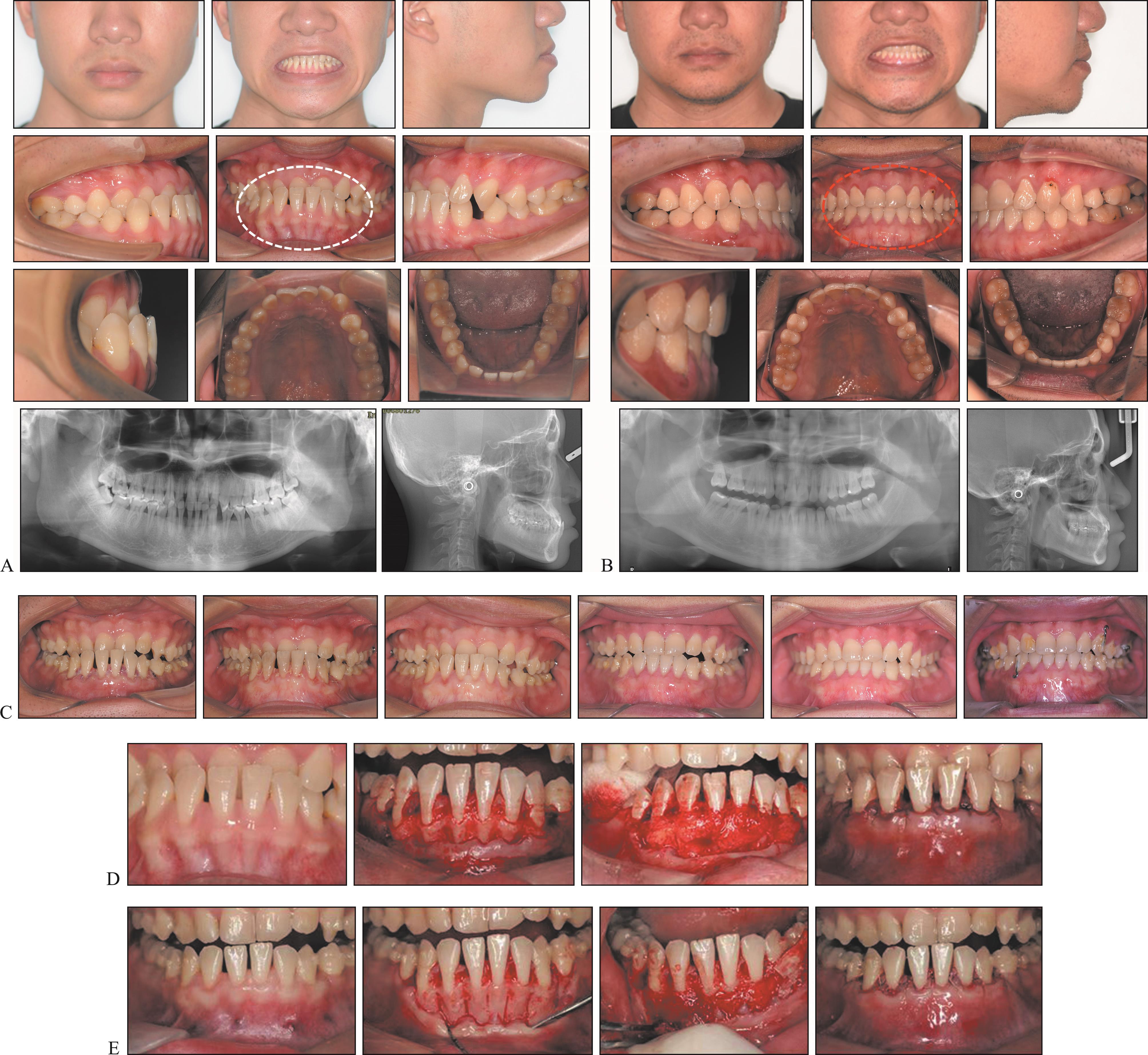


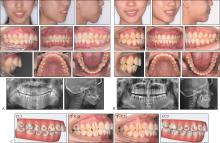

 重建临床技术方案